

Every day, your body performs a remarkable act of housekeeping.
Food travels through nearly nine metres of intestine. Nutrients are absorbed. Water is reclaimed. Waste is carefully packaged and moved toward its final destination.
Most of us never think about this process — until it stops working smoothly.
Constipation is not merely a lack of bowel movements. It is a disruption in one of the body's oldest and most essential rhythms.
For some people, it means passing hard stools. For others, it means straining, incomplete evacuation, or spending long periods in the toilet with little result.
What matters is not how often you pass stools, but how comfortably and completely your body can empty itself.
When constipation persists for weeks, months, or even years, it begins to affect far more than the digestive system. It can influence energy levels, sleep, mood, productivity, and overall quality of life.
Constipation rarely appears overnight.
Much like a traffic jam that starts with a single stalled vehicle, bowel dysfunction often begins subtly and worsens gradually.
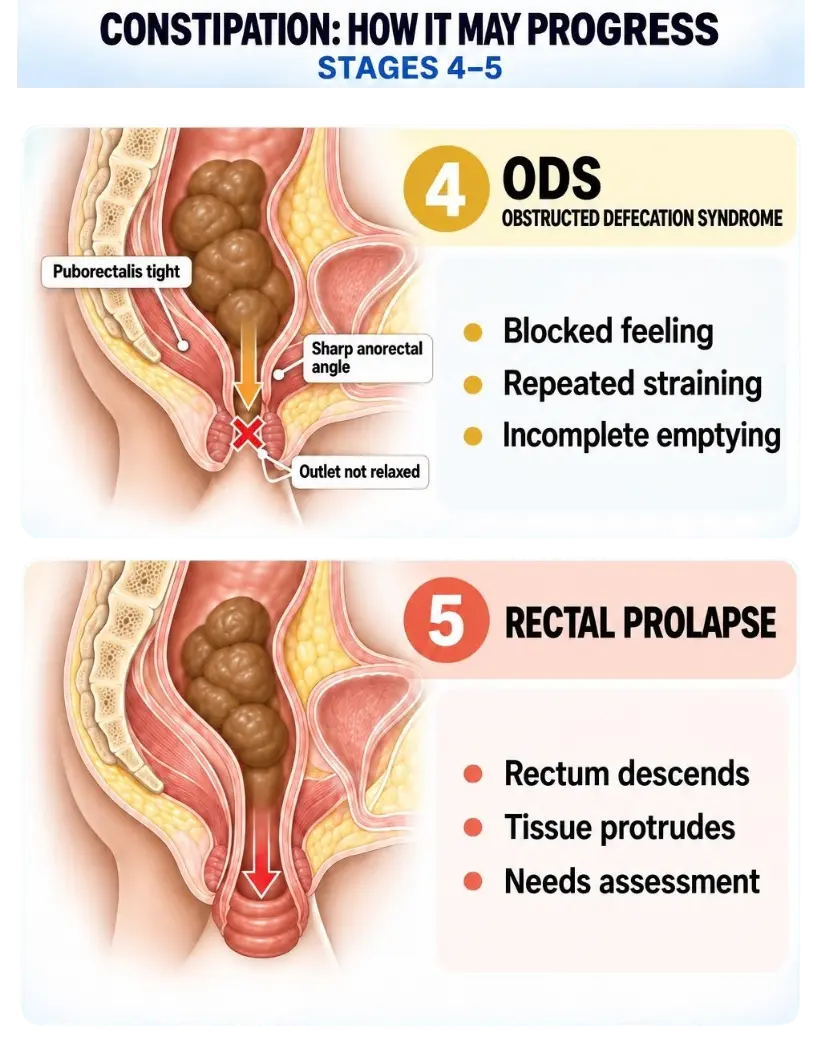
What starts as occasional difficulty can evolve into chronic constipation, pelvic floor dysfunction, rectal prolapse, or Obstructed Defecation Syndrome (ODS).
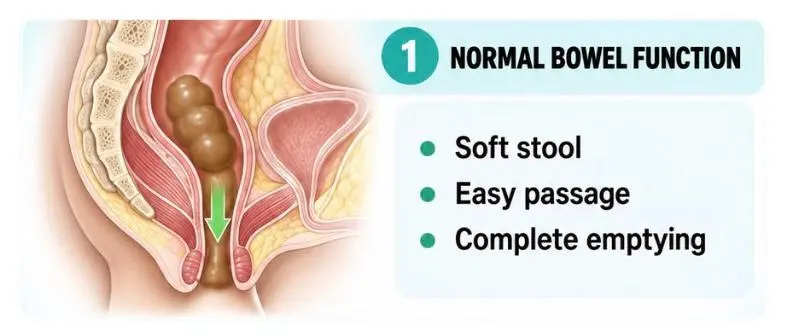
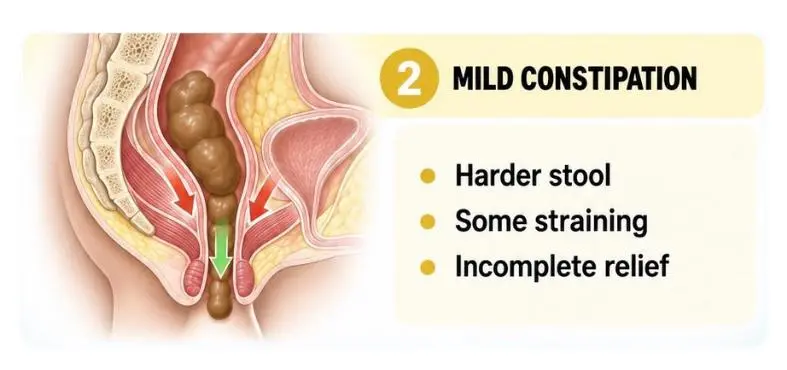
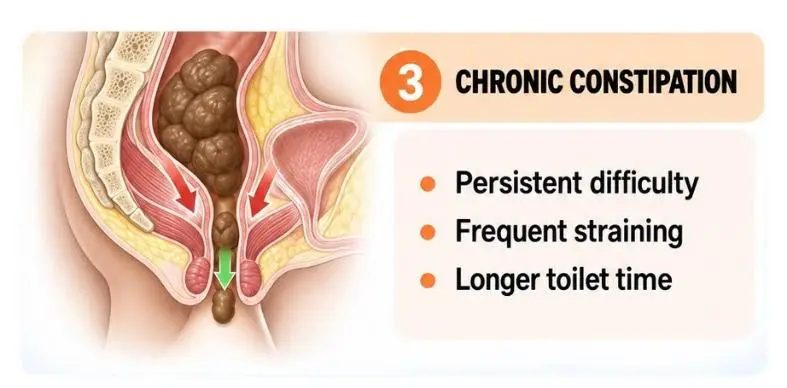
Most people believe constipation is only a problem of the intestine.
In reality, successful evacuation depends on an intricate system of muscles located deep within the pelvis.
Think of the pelvic floor as a living hammock suspended at the base of the body. It supports the bladder, rectum, and reproductive organs while also controlling the opening and closing mechanisms required for bowel movements.
When these muscles become weak, uncoordinated, or excessively tight, the body may struggle to evacuate stool, even when the urge is present.
In many patients, particularly women after childbirth and older adults, the pelvic floor is the missing piece of the constipation puzzle.
Help patients understand that constipation is often a muscular problem, not merely a bowel problem.
For decades, constipation treatment largely revolved around laxatives.
Yet many patients continue to suffer because the root cause remains untreated.
After treating thousands of patients with chronic constipation, piles, fissures and other anorectal disorders, Dr. Ashwin Porwal observed a simple truth:
This philosophy led to the development of MCDPA — a multidisciplinary treatment model that combines modern medicine, nutrition, physiotherapy and carefully selected Ayurvedic therapies.
Its objective is straightforward:
Restore natural bowel function rather than merely force bowel movements.
The intestine is home to trillions of beneficial microorganisms that help regulate digestion and bowel function. When this ecosystem becomes imbalanced, constipation may worsen. Selected medications and probiotics can help restore normal gut activity.
C — ConstacDeveloped through extensive research by our Ayurvedic team, Constac and Constac Plus are herbal formulations designed to support bowel regularity under medical supervision.
D — DietFiber acts like nature's internal broom. By absorbing water and increasing stool bulk, it helps waste move more efficiently through the colon. Our nutrition specialists design practical dietary plans tailored to each patient's lifestyle, food habits, and cultural preferences.
P — Pelvic Floor PhysiotherapyMany patients spend years treating the bowel while the real problem lies in the pelvic floor. Specialized physiotherapy strengthens, retrains, and coordinates the muscles responsible for evacuation.
A — Ayurvedic TherapiesSelected therapies, including Basti, may help relax rectal muscles and improve bowel function when integrated appropriately within a comprehensive treatment plan.
Imagine trying to learn a musical instrument without hearing the notes. That is often what happens with pelvic floor dysfunction. The muscles are active, but the patient cannot sense or control them properly.
Biofeedback works like a mirror for the body's internal mechanics. Using a specialized sensor and computer-guided feedback system, patients can observe muscle activity in real time while a trained physiotherapist teaches them how to coordinate relaxation and evacuation. It is non-surgical, painless, and often highly effective in patients with Obstructed Defecation Syndrome.
Most patients improve with conservative treatment.
However, in advanced cases, particularly when chronic constipation leads to structural abnormalities such as rectal prolapse or severe Obstructed Defecation Syndrome, surgery may become the most effective option.
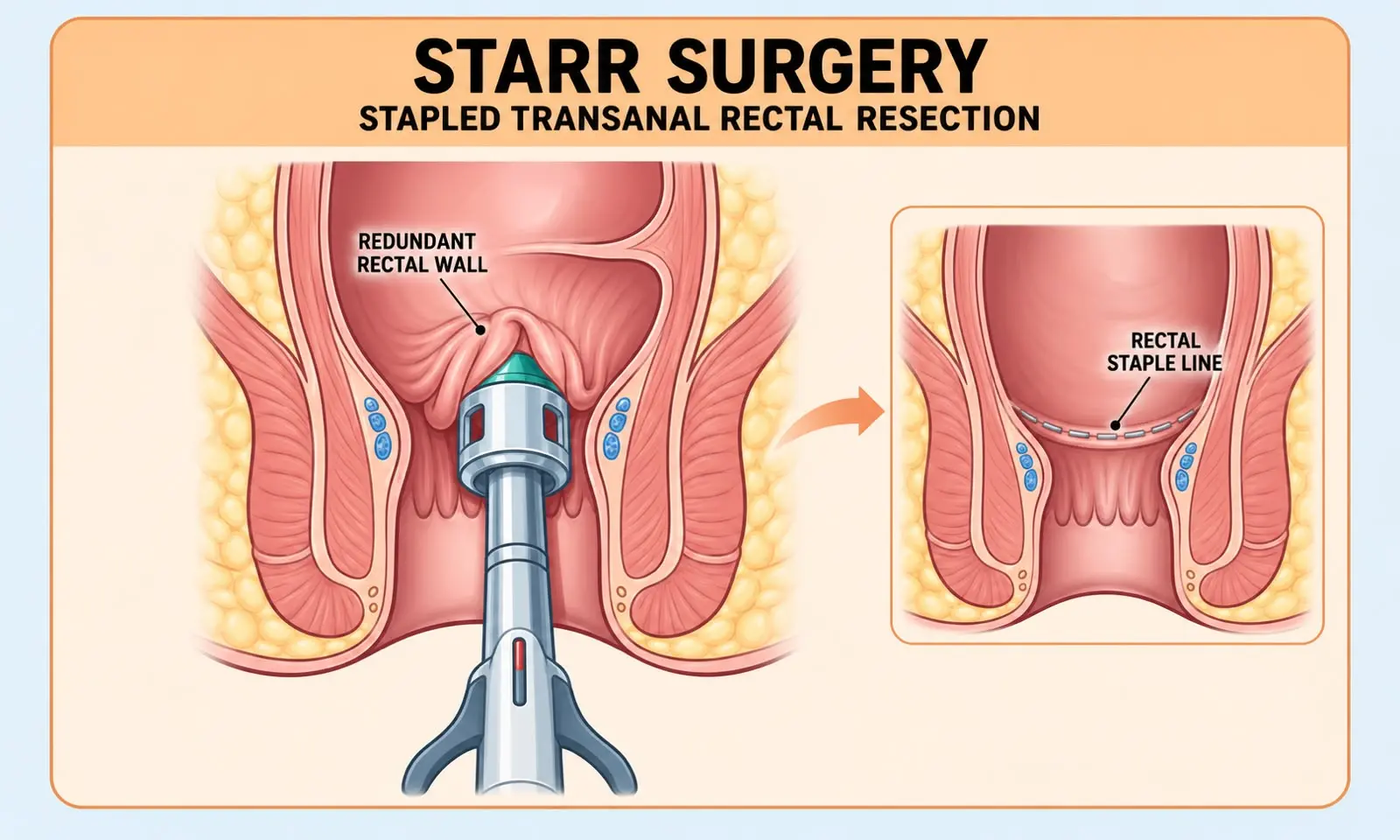
STARR is a minimally invasive procedure designed to correct the structural defects responsible for obstructed defecation. Rather than making external incisions, the surgery is performed entirely through the anal canal.
Think of it as repairing a collapsed tunnel from within rather than digging up the entire road above it. The procedure removes excess prolapsing rectal tissue and restores a more normal pathway for stool evacuation.
Dr. Ashwin Porwal learned this technique directly from its inventor, the internationally renowned colorectal surgeon Dr. Antonio Longo, and has performed one of the largest volumes of STARR procedures in India.
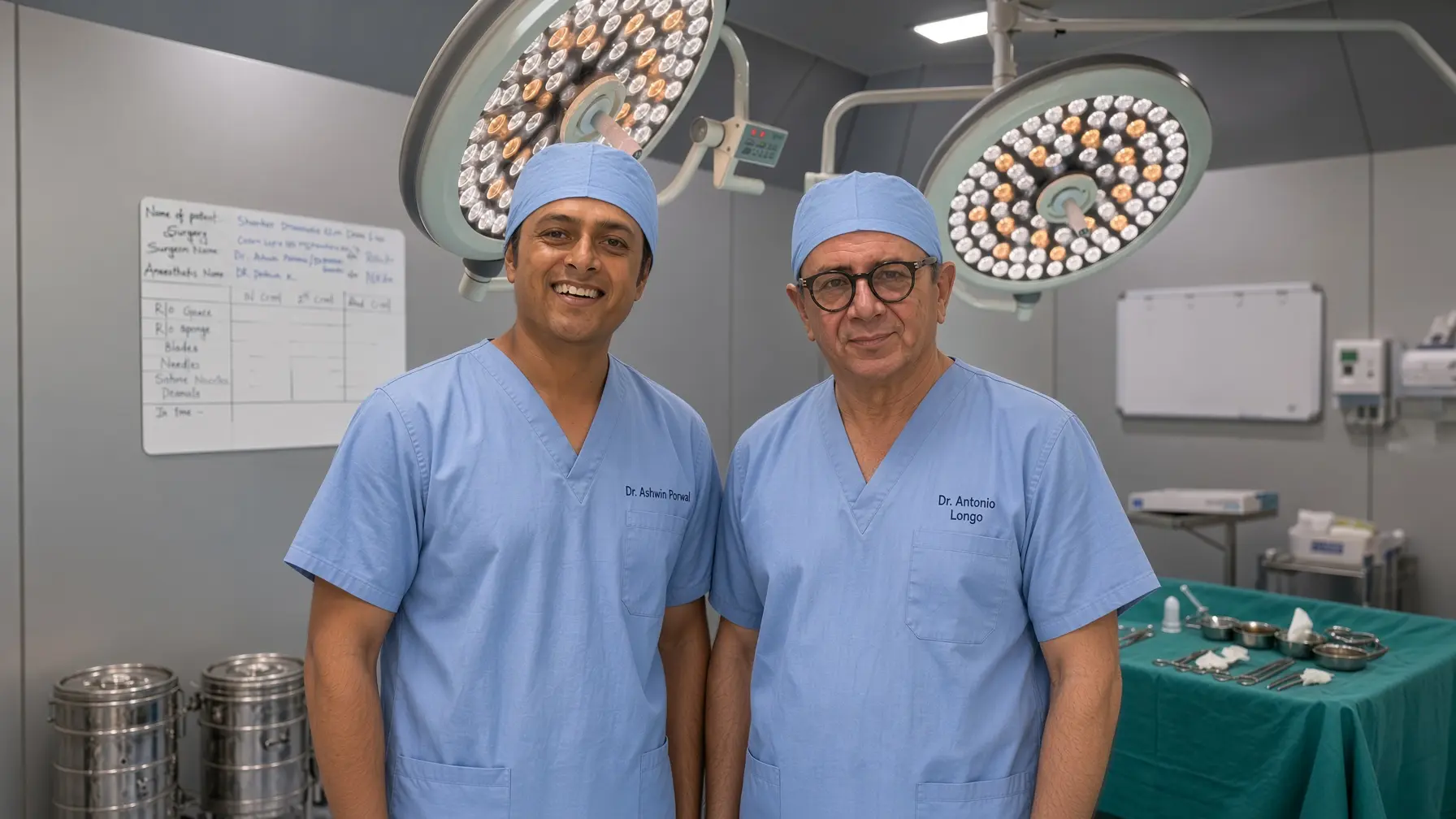
Dr. Ashwin Porwal with Dr. Antonio Longo.
For appropriately selected patients, STARR can dramatically improve bowel function and quality of life.
Constipation remains one of the most under-discussed health conditions despite affecting millions of people.
Many patients silently endure symptoms for years, assuming discomfort is normal.
It isn't.
The longer constipation persists, the greater the likelihood of developing complications such as pelvic floor dysfunction, rectal prolapse, haemorrhoids, fissures, and Obstructed Defecation Syndrome.
The encouraging news is that modern treatment offers far more than temporary relief.
Whether through dietary correction, pelvic floor rehabilitation, biofeedback, or advanced minimally invasive surgery, effective solutions exist.
The first step is understanding what your body is trying to tell you.
A healthy bowel is like a well-organized transportation network.
Food is processed, nutrients are absorbed, water is reclaimed, and the remaining waste is steadily moved toward the body's exit. Constipation develops when this journey slows down. The longer waste remains inside the colon, the more water is absorbed from it, leaving stools hard, dry, and difficult to pass.
But constipation is rarely caused by a single factor. It is usually the result of multiple systems — dietary, muscular, hormonal, neurological, and behavioural — working less efficiently than they should.
For most of human history, our ancestors consumed large quantities of natural fibre from fruits, vegetables, roots, and grains. Modern diets, rich in processed foods and poor in fibre, deprive the colon of the bulk it needs to move waste efficiently.
The urge to pass stools is one of the body's oldest biological messages. Repeatedly suppressing this urge — whether because of busy schedules, travel, school routines, or social discomfort — can gradually weaken the natural reflexes that govern bowel movements.
Water is the lubricant of the digestive system. Without adequate fluids, stools become hard, dry, and difficult to evacuate.
The human digestive system evolved in bodies that walked, climbed, squatted, and moved throughout the day. Prolonged sitting slows intestinal activity and contributes significantly to constipation.
During pregnancy, hormonal changes — particularly increased progesterone levels — relax intestinal muscles and slow bowel movement. The growing uterus may further increase pressure on the pelvic floor and rectum.
Excess abdominal pressure can alter bowel mechanics and increase the risk of chronic constipation and pelvic floor dysfunction.
Certain medicines, including iron supplements, antidepressants, pain medications, and calcium supplements, may slow intestinal movement and contribute to constipation.
Conditions such as hypothyroidism, vitamin deficiencies, and calcium imbalance can reduce the efficiency of intestinal contractions.
Trillions of beneficial microorganisms inhabit the intestine. When this ecosystem becomes disturbed, bowel function may be affected, leading to symptoms such as bloating, irregularity, and constipation.
Many patients with IBS experience constipation as part of a broader disturbance involving bowel sensitivity and motility.
In some patients, the problem is not stool formation but stool evacuation. The colon performs its task successfully. The stool reaches the rectum. Yet the body struggles to complete the final step. This condition, known as Obstructed Defecation Syndrome (ODS), is often related to pelvic floor dysfunction or structural abnormalities of the rectum and pelvic organs.
While most cases are benign, persistent constipation can occasionally be associated with more serious conditions, including:
For this reason, chronic constipation should never be dismissed as merely an inconvenience.
Constipation is not defined only by how often you pass stools. Many patients have daily bowel movements and still suffer from significant constipation because evacuation remains incomplete or difficult.
Occasional constipation is common and usually resolves with simple lifestyle measures. However, professional evaluation is recommended when symptoms persist beyond three weeks or begin interfering with daily life.
These symptoms may indicate an underlying condition that requires prompt investigation.
Finding the cause of constipation often resembles detective work.
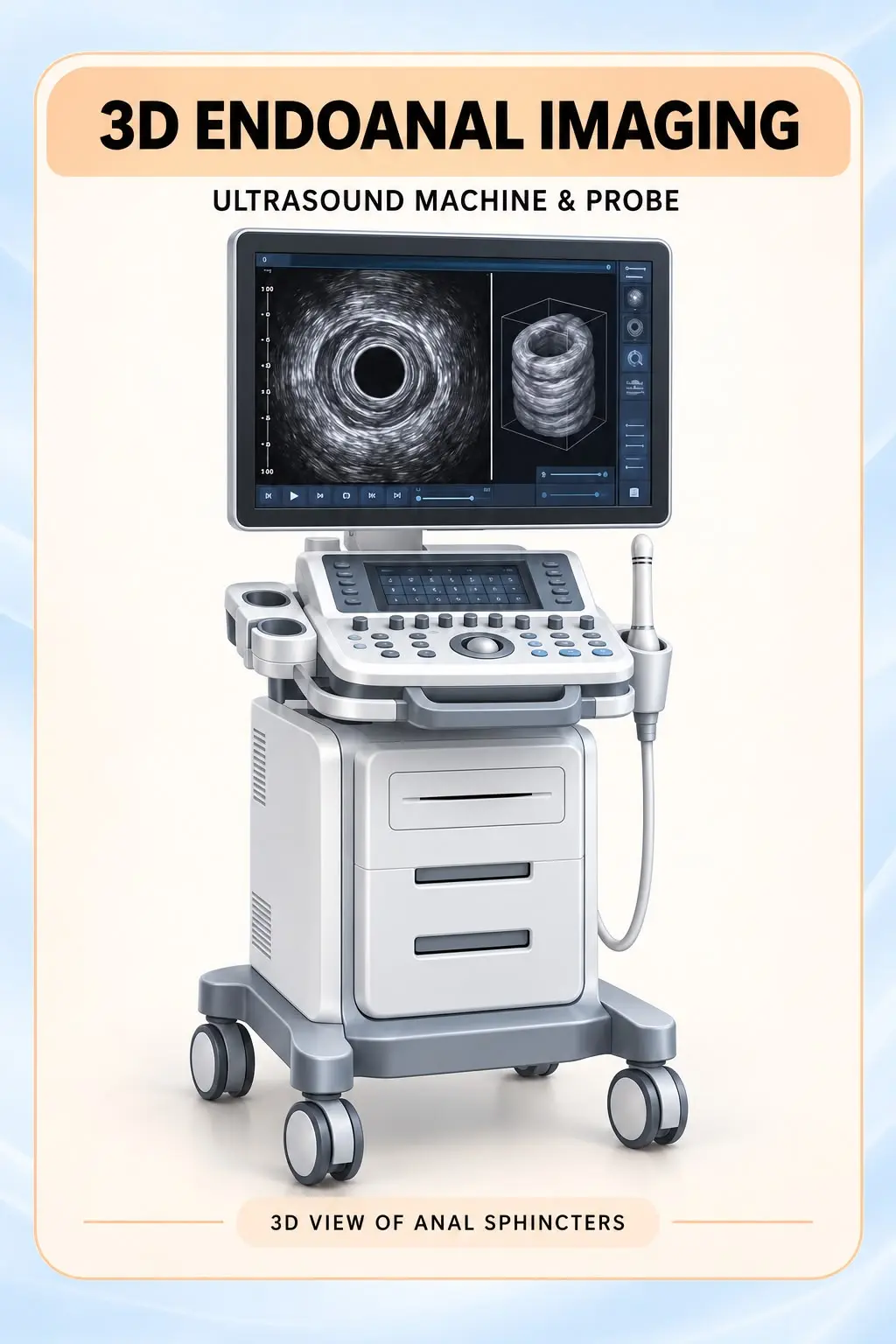
The symptom may be obvious, but uncovering the underlying reason requires understanding how the bowel, rectum, nerves, muscles, and pelvic floor interact. Depending on your symptoms, your doctor may recommend one or more of the following investigations.
A simple examination that allows direct assessment of the anal canal and lower rectum.
A flexible camera examines the large intestine from within, helping identify inflammation, polyps, tumours, or structural abnormalities.
This test measures the strength, coordination, and function of the muscles and nerves responsible for bowel evacuation.
Among the most important advances in modern proctology, MRI Defecography allows doctors to observe bowel evacuation in real time.
Tests for thyroid disorders, vitamin deficiencies, calcium imbalance, and other metabolic causes.
In selected patients, food sensitivities may contribute to chronic digestive symptoms and bowel irregularity.
The body can tolerate constipation for a short time.
Years of straining, however, gradually reshape anatomy and alter function. The consequences may include:
Repeated straining causes veins around the anal canal to enlarge and become symptomatic.
Hard stools can tear the delicate skin around the anus, causing severe pain and bleeding.
Over time, excessive straining may cause part of the rectum to descend or protrude through the anus.
Stool may become so hard and compacted that it becomes trapped inside the rectum or colon.
In severe long-standing cases, part of the colon may twist on itself, creating a surgical emergency.
Chronic constipation can profoundly affect quality of life, sleep, productivity, confidence, and emotional well-being.
One of the most overlooked causes of chronic constipation is Obstructed Defecation Syndrome.
Imagine reaching the exit gate of a stadium after a match only to find the gate partially blocked. The crowd behind continues to push forward, but movement remains slow and frustrating.
ODS works in a similar way. The bowel prepares stool normally. The rectum receives it normally. Yet evacuation becomes difficult because the final exit mechanism is obstructed or poorly coordinated.
MRI Defecography remains one of the most valuable tools for confirming the diagnosis.
The fastest relief often comes from addressing the fundamentals:
Seek immediate medical attention if constipation is accompanied by:
Chronic constipation is more than infrequent stools — it includes straining, hard or lumpy stools, a sense of incomplete emptying, and sometimes the need for manual assistance, persisting over months. Doctors use criteria such as the Rome IV definition to diagnose it properly. It can result from slow colonic transit, dietary factors, or problems with the mechanics of evacuation (obstructed defecation).
Most constipation is benign, but certain features require prompt evaluation. Warning signs include blood in the stool, unexplained weight loss, a new and persistent change in bowel habit (especially after age 40–45), or a family history of bowel cancer. These warrant specialist assessment.
Yes — there is growing evidence that targeting the gut microbiome can improve chronic constipation. The balance of gut bacteria influences bowel function, and specific probiotic formulations have shown benefit in controlled studies.
Research at Healing Hands Clinic: Dr. Porwal led a randomised, prospective, placebo-controlled study of a probiotic formulation in chronic constipation in 60 patients (Medicine, 2026), and a randomised crossover study of a kiwi-based formulation (KiwiBiotic) for functional constipation (World Journal of Gastrointestinal Pharmacology and Therapeutics, 2024).
ODS is a form of constipation where stool is difficult to evacuate despite the urge, often due to a structural problem such as a rectocele or internal prolapse. Patients strain excessively, feel incomplete emptying, and may need manual manoeuvres. Because the cause is mechanical, it often needs different treatment from slow-transit constipation.
Research at Healing Hands Clinic: Dr. Porwal has reported a case series of 500 ODS patients treated with STARR (Stapled Trans-Anal Rectal Resection) surgery, addressing the structural causes of obstructed defecation
When simple measures fail, treatment is directed at the specific cause — whether slow transit, a pelvic floor coordination problem, or a structural obstruction. This may include specialised testing, pelvic floor retraining (biofeedback), targeted formulations, or surgery for structural causes. A specialist evaluation identifies which applies.
Research at Healing Hands Clinic: Dr. Porwal’s research includes extensively studied herbal laxative formulations for chronic constipation (the Constac line, protected by Indian Patent 375497), evaluated across multiple clinical studies
Appropriate use of modern laxatives is generally considered safe, but relying on them without addressing the cause is not ideal. The better approach is to diagnose why constipation is occurring and treat that, rather than indefinitely masking the symptom.
schedule your consultation with our experts now.
Healing Hands Clinic is India’s most trusted center of excellence for proctology, specializing in advanced, minimally invasive laser treatments for anorectal conditions. Founded by Dr. Ashwin Porwal, a pioneer who introduced laser proctology to India, the clinic provides world-class, focused care for ailments like piles, fistulas, fissures, pilonidal sinus, and chronic constipation. Utilizing state-of-the-art infrastructure and modern techniques like DLPL, they prioritize treatments that provide minimal pain, negligible recurrence rates, shorter hospital stays, and quicker recovery.

Disclaimer : The information on this site should not be considered as medical advice. Please consult a doctor for determining the best procedure as well as the most appropriate for your proctological needs.